


Bring clarity and control to referral pathways
Care pathways are under pressure, and referral processes are often manual, fragmented and prone to variation.
Imagine if repetitive referral admin was automated, relevant patient information was brought together, referrals arrived complete and ready for review and operations teams had real-time visibility to identify bottlenecks. What difference could that make to patient flow and clinical time?
Introducing LEO - your clinical workflow automation platform.

Protect capacity as SPoA changes the referral front door.
The new model increases the clinical and administrative effort needed to review, coordinate and progress referrals.
LEO works alongside e-RS to help Trusts manage that additional pressure, bringing structure, visibility and control to the process. Helping teams prepare cases for review, manage ownership and deadlines, and progress clinician-approved outcomes efficiently.
LEO Prepares. Clinician decides. LEO Progresses.
The hidden cost of manual referral handling:

15,500 admin hours consumed annually

5.5 mins per referral before clinical review even begins

~7.5 FTE staff capacity absorbed by admin handling

Costs 60 admin hours per day
Automate the time-consuming work of collating, reviewing and progressing referrals, releasing staff capacity for high-value tasks.

Digital maturity varies across NHS organisations. Infrastructure, workflow complexity and readiness for change are different in every setting, so improvement should not depend on wholesale transformation from day one.
LEO can begin by bringing referrals received through the NHS e-Referral Service into a structured, visible workflow. The same approach can be extended across email and internal referral channels, creating greater consistency across the referral front door.
Add clinical decision support, and the workflow can go further. Referral information can be turned into a structured summary, potential gaps can be flagged, and guideline-aligned triage signposting can be presented for clinician review. Clinicians get a clear, decision-ready view while remaining in complete control of every decision made.



The value to your organisation

Fits around existing workflows - work alongside established referral processes without forcing wholesale pathway change or adding another disconnected process, making it easier for teams to adopt.

Connect your digital estate - work with the e-Referral service and integrate with patient administration, EPR and EDMS systems, helping information flow into the systems teams already use.

Bring referral routes together - create a more consistent workflow for referrals received through the e-Referral Service, email and internal referral channels, helping teams manage activity more clearly.

Make pathway performance visible - give operational teams clearer oversight of referral status, turnaround times, backlogs and bottlenecks, supporting more targeted service improvement.

Support referral-to-treatment (RTT) priorities - earlier visibility of referral activity and emerging delays helps teams manage the front end of the pathway and support RTT improvement plans.

Build the foundation for your Single Point of Access (SPoA) - standardised intake, clearer routing and greater oversight help organisations prepare for a more coordinated SPoA model.
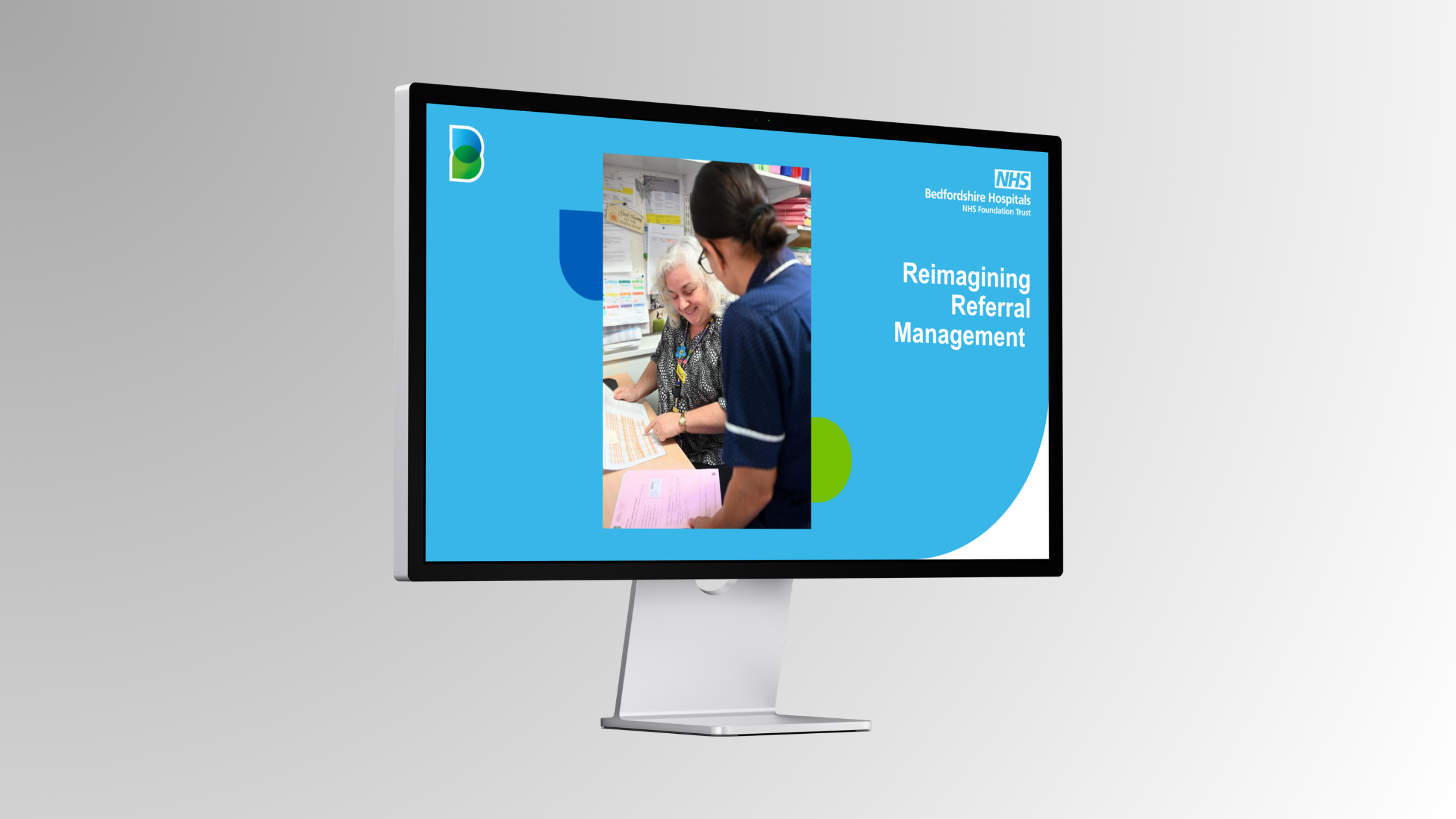
Bedfordshire Hospitals referral transformation story
Learn More

We were not looking to replace everything or create more complexity. We needed a practical layer that could work with how services operate, while giving teams better oversight and making the process easier to manage
Waiting-list pressure starts at the referral front door
Waiting-list figures show the scale of pressure on elective care. But for NHS teams, that pressure often starts much earlier, when referrals arrive with different levels of quality, completeness and clinical context.
That variation creates work pathways can ill afford. When every day matters, clear structure, consistency and visibility at the referral front door become critical.
Source: The King’s Fund, waiting times for elective treatment


 Download our guide